Fayette County Superior Court is a main trial court for serious local legal matters. It hears civil disputes, criminal charges, family cases, and property claims. Many people search this court to check records or follow a case. The court is part of the county judiciary and legal system. Judges review evidence, rule on motions, and hold hearings. Court staff maintain files, calendars, and docket entries. This page helps users know what the court does and where to start.
People often search the superior court Fayette County by case number or party name. A case number usually gives the fastest and most exact result. Public records may show hearing dates, filings, and judge details. Some files stay limited by law, such as sealed or juvenile matters. Users may search civil, criminal, family, or probate matters. Checking records online can save time before visiting the clerk office. This page gives a clear path for finding Fayette County case details.
How to Search Fayette County Superior Court Records
Fayette County Superior Court records can often be found through an online portal or clerk search system. Most users get the best results when they search with an exact name, full docket number, or correct hearing date. Many people use a fayette county case search to check case status, review filings, or confirm a court date. Public records may include party names, docket entries, hearing schedules, and case updates. If one search method does not work, another option may help. Small spelling errors can block the right result. Date filters often narrow long lists. This section explains the easiest ways to complete a fayette county docket search.
Search Through the Online Portal
Users can search superior court records through the Kentucky court records portal by creating an account first.
Steps:
- Visit the Kentucky Courts portal: https://kcoj.kycourts.net/kyecourts/Apps
- Click the Sign Up option on the main page.
- Enter the requested details and create an account.
- Sign in with the new username and password.
- After login, open the menu and select Case Search.
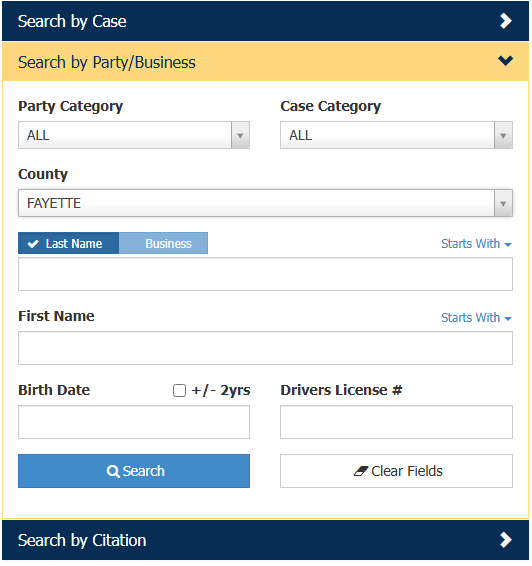
- Use the search tool that appears on screen.
- Select Fayette County from the county list.
- Enter the available case details such as name or docket number.
- Review matching records and open the needed file.
Search by Name
A name search is one of the most common ways to find superior court records when the case number is unknown. Users should enter the full first and last name exactly as filed. If many results appear. After the search loads, users can review matching names and open the correct file. This method works well for civil, family, and criminal matters. If no result appears, try another spelling version.
These filters can help:
- Add a middle initial
- Select filing year
- Choose case type
Search by Case Number
A docket number or case number is usually the fastest way to complete a case lookup. Users should type the full number exactly as shown on court papers. Missing letters, spaces, or digits may stop the result from appearing. Once entered, the system often shows one direct match. It is the most accurate method when details are known. Many users prefer this option for quick searches.
This file may list:
- Hearing dates
- Orders entered
- Case status notes
Search by Hearing Date
A hearing date search helps users who know when court is scheduled but do not know the case number. Users can select the calendar date and review the daily docket list. This search is useful for checking same-week settings or upcoming appearances. Users can then open the correct case from the list. Exact dates improve results.
Some systems may allow extra filters such as:
- Courtroom number
- Judge name
- Morning or afternoon session
Search by Defendant / Plaintiff
Party name searches help locate matters tied to a plaintiff or defendant. A plaintiff files a civil claim, and a defendant answers the claim or faces criminal charges. Users should enter the legal name with correct spelling. Adding a year or case type can reduce extra matches. This method is useful when only one party name is known. It can help with older files that lack easy references. Reviewing several matches may be necessary.
Fayette County Superior Court Case Numbers
Fayette County Superior Court case numbers help identify each file in the court system. They often show the case type, filing year, and unique sequence used to track the matter. Many users search superior court cases by number since it is usually the fastest way to find one exact record. A case number Fayette County search may reveal hearings, filings, party names, and status updates. Courts use these numbers to organize records and avoid confusion between similar names. Each number acts like a file ID. Formats can vary by court system, yet most follow a clear pattern. Reading the parts correctly can save time. It can also improve online search results.
How to Read a Case Number
A court number often includes three common parts:
- Case category – shows the type of matter
- Filing year – shows when the case started
- Sequence number – the unique order of filing
Example formats may look like:
- CR-2026-001245
- CV-2025-000389
- DR-2026-000117
What the Letters May Mean
The first letters often describe the kind of case filed. These codes may differ based on local court setup.
- CR = Criminal case
- CV = Civil case
- DR = Domestic relations or family case
- PR = Probate matter in some systems
What the Numbers Mean
The middle section often shows the filing year. In the example CV-2025-000389, the case began in 2025. The last digits are the running file number assigned by the clerk.
Why Case Numbers Matter
Using a docket number is usually more accurate than searching by name. Many people share similar names, yet one number links to one file. This helps users check orders, calendar dates, and filings faster.
What Is Fayette County Superior Court?
Fayette County Superior Court is a higher-level trial court that handles major civil and criminal matters within the local legal system. It serves an important role by managing serious disputes, hearings, and cases that need formal judicial review. The superior court Fayette County is part of the county judiciary and works as a key judicial division for more complex legal matters. Probate Court also operates within the county court system to handle estate, wills, and guardianship matters alongside other judicial responsibilities. Trial courts hear evidence, review filings, rule on motions, and issue judgments. This court often handles cases that need broader authority than lower courts. It may hear disputes involving larger financial claims, serious criminal charges, family matters, and property conflicts. Courtrooms are organized to manage different case types and schedules. Judges oversee hearings and keep cases moving through each stage. Many users search this court when they need records, calendars, or active case details.
Role in the County Legal System
The fayette county superior court helps keep the local court system organized and efficient. It handles matters that need full hearings, legal findings, or final orders. Lower courts may focus on minor offenses or smaller claims, while this court often manages higher-value or more serious disputes. It supports fair case review and structured court procedure. Many filings move through several stages before a final ruling. Court staff manage records, calendars, and case flow. This makes the court a central part of county justice services.
Higher-Level Trial Court Powers
As a trial court, the court has authority to hear evidence, question legal arguments, and decide facts when needed. Judges may issue orders, approve settlements, set hearing dates, and enter judgments. In some matters, the court may review appeals from lower courts if allowed by law. This broader role reflects its superior jurisdiction within the county system. Cases often require scheduled hearings. Some matters end through agreement before trial.
Here it is:
- Hears formal motions
- Issues court orders
- Enters final judgments
Civil and Criminal Authority
The court often hears both civil and criminal matters. Civil cases may include contract claims, injury suits, business disputes, and property issues. Criminal authority may include serious misdemeanor or felony-level charges depending on court structure. Family-related matters may be assigned to separate divisions in some systems. Probate or estate issues may follow local assignment rules. Users should check the correct division before filing.
Here it is:
- Civil lawsuits
- Criminal prosecutions
- Property disputes
Judges and Courtroom Divisions
Each courtroom is led by a county judge or assigned judge with authority over scheduled matters. Divisions may separate civil, criminal, family, or specialty dockets. This structure helps cases move faster and keeps hearings organized. Different judges may manage different calendars. Court assignments can change during the year. Users should confirm the courtroom listed on notices or docket entries.
Types of Cases Handled in Fayette County Superior Court
Fayette County Superior Court handles many serious legal matters, including criminal, civil, family, and estate disputes. These cases often require hearings, formal filings, and decisions from a judge or jury. Many people search superior court cases to know where a matter belongs or what type of claim the court hears. The fayette county court cases system often includes larger disputes or matters with higher legal impact than minor local courts. Some cases end through settlement, plea agreements, or agreed orders. Others move to hearings or a jury trial. Court divisions may separate case types for faster scheduling. Judges manage deadlines, motions, and courtroom procedure. The sections below explain the most common matters handled in this court.
Criminal Cases
Criminal matters often involve serious charges filed by the state. These may include felony cases, repeat offenses, or charges that carry stronger penalties. Early stages can include arrest review, bond issues, arraignment, and indictment proceedings. After that, the case may move through motions, plea talks, or trial. Some cases resolve through plea agreements. Others continue to trial before a judge or jury.
Common criminal matters may include:
- Felony charges
- Grand jury indictments
- Sentencing hearings
Civil Cases
Civil matters usually involve disputes between people, companies, or organizations. One side files a claim asking for money damages, property relief, or another court order. This area is often called civil litigation. Cases may involve written contracts, injuries, business conflicts, or land issues. Many civil cases settle before trial. If no agreement is reached, the matter may proceed to hearing or jury decision.
Examples of civil matters include:
- Breach of contract claims
- Personal injury lawsuits
- Property damage disputes
Family Cases
Family divisions often hear sensitive matters involving household relationships and child welfare. These may include a divorce case, parenting disputes, and support requests. Judges review financial records, parenting plans, and child interests before issuing orders. Some family cases require several hearings. Temporary orders may be entered before a final ruling.
Common family matters include:
- Divorce filings
- Custody matter hearings
- Child or spousal support
Probate / Estate Matters
Probate matters involve the property and affairs of a person who has died or can no longer manage personal decisions in some settings. A probate dispute may arise over a will, estate assets, executor actions, or heir rights. Courts may appoint representatives and review estate filings. These matters can include estate administration, guardianship requests, and will contests. Some estates close quickly with no dispute. Others need hearings to settle disagreements. Users should check local filing rules for estate divisions.
Fayette County Superior Court Criminal Cases Process
Fayette County criminal court cases often move through set stages from first appearance to final outcome. Serious charges, including many felony cases, may involve arraignment, indictment, plea talks, trial, and sentencing. The fayette county criminal court process starts after charges are filed or an arrest occurs. The court then schedules early hearings to explain charges, review release terms, and set future dates. Each case follows its own timeline based on evidence, legal issues, and court calendar space. Some matters resolve quickly through agreements. Others continue through motions and full trial proceedings. Judges manage deadlines and protect legal rights. The steps below explain the usual path.
First Appearance and Arraignment
The first court date is often the initial appearance or arraignment. At this stage, the judge explains the charge and asks for a plea. Bond or release terms may be reviewed. Future hearing dates are often set.
Common actions include:
- Reading charges
- Entering plea
- Setting bond terms
Indictment and Pretrial Stage
Many serious felony cases move to grand jury review for an indictment. If approved, the case continues in higher court. During pretrial stages, lawyers exchange evidence, file motions, and discuss legal issues. Requests about searches, statements, or witnesses may be argued before the judge.
Plea Hearing or Trial
Many criminal matters end in a plea hearing. The defendant may accept a negotiated resolution instead of trial. If no agreement is reached, the case may proceed to trial before a jury or judge. Witnesses testify, evidence is presented, and legal arguments are made.
This stage may include:
- Jury selection
- Witness testimony
- Closing arguments
Sentencing and Final Orders
If a defendant is found guilty or enters a plea, the court moves to sentencing. The judge may review criminal history, case facts, and legal ranges before issuing punishment. Final orders may include jail time, probation, fines, treatment terms, or restitution. Some cases allow appeal rights after judgment.
Fayette County Superior Court Civil Lawsuit Process
Civil lawsuits in superior court usually begin when one party files a complaint against another. The case may then move through responses, motions, settlement talks, and trial if no agreement is reached. Many superior court civil cases involve money claims, contracts, injury disputes, business conflicts, or property issues. This area is known as civil litigation. One side asks the court for relief, and the other side has a chance to answer. Some matters end early through dismissal or settlement. Others require hearings and evidence review. Judges control schedules and deadlines. The steps below show the common process.
Complaint Filing and Service
A case starts with complaint filing. The plaintiff files papers stating claims and requested relief. The defendant must then receive formal notice through service of process. Deadlines usually begin after service is completed.
Defendant Response and Motions
The next step is the defendant response. The defendant may deny claims, raise defenses, or file counterclaims. Either side may submit motions asking the judge to rule on legal issues before trial. Courts may schedule status hearings during this phase.
Typical motions may involve:
- Dismissal requests
- Discovery disputes
- Summary judgment
Settlement or Trial
Many cases resolve through settlement after evidence exchange or mediation. If no agreement occurs, the case may proceed to trial. Each side presents witnesses, documents, and arguments. The judge or jury then decides liability and damages. Final judgments may include money awards or court orders.
Jury Trials in Fayette County Superior Court
A jury trial in Fayette County Superior Court allows a group of citizens to hear evidence and decide facts in certain criminal and civil cases. People called for service usually receive a jury summons with reporting instructions and dates. Many users search fayette county jury duty court details after receiving notice in the mail. Jury service is a key part of the justice system since community members help decide cases fairly. Some matters settle before jurors are selected, so not every summoned person serves on a trial. Others move forward and require full participation. Judges, court staff, and attorneys explain each step in court. Clear rules help keep the process orderly. Knowing what to expect can reduce stress.
How Jury Service Begins
Most jurors start with a jury summons. The notice often lists the reporting date, location, and basic instructions. Some courts may allow online check-in or updates before the appearance date. People should read the notice carefully and arrive on time.
Common items on a summons may include:
- Reporting date
- Court location
- Contact details
Voir Dire and Jury Selection
After check-in, potential jurors may enter the courtroom for voir dire. This is the question process used to select a fair and impartial jury. Judges and lawyers may ask about background, scheduling issues, or possible bias. Some people are excused, while others remain for final selection.
Courtroom Procedure During Trial
Once chosen, jurors follow formal courtroom procedure during the case. They listen to opening statements, witness testimony, and closing arguments. Jurors must avoid outside research or private discussions about the case. Notes may be allowed under local rules.
Key trial stages often include:
- Evidence presentation
- Witness testimony
- Judge instructions
Juror Service and Final Decision
At the end of trial, jurors meet privately to discuss the evidence and reach a verdict when required by law. This part of juror service may last hours or several days depending on the case. After the verdict, jurors are usually released from duty. Court staff may provide proof of attendance if needed for work records.
Superior Court Clerk Office & Public Records Requests
The clerk office helps people obtain Fayette County Superior Court records, file papers, and request copies of case documents. Many requests can be made in person, and some offices may accept mail or other request methods. People often search fayette county clerk court records when they need a case file, judgment copy, hearing paper, or official court document. The clerk maintains records, processes filings, and supports daily courtroom operations. Public files may be available unless sealed by law or restricted by privacy rules. Some requests are simple and quick. Older files may take more time to locate. Identity details or case numbers can speed the process. This section explains common request options for superior court records.
Copies of Case Files
Many users request copies of pleadings, orders, judgments, or docket sheets. Providing the case number usually helps staff find the correct file faster. Name searches may work if the number is unknown. Large files may require extra processing time. Some records may have limited public access due to sealing rules or protected data.
Common records people request include:
- Final judgments
- Motions and orders
- Docket sheets
Certified Documents
A certified copy includes an official court certification showing it is a true copy of the record. These documents are often used for legal, employment, licensing, or government needs. Common requests include certified judgments, divorce papers, and name change orders. Users should state clearly that certification is needed when making the request.
Typical certified requests include:
- Certified judgment copy
- Certified decree copy
- Certified order copy
In-Person Requests
Many people prefer visiting the clerk office for same-day help. Staff may explain forms, copy charges, and available records. Users should bring photo ID if needed and any known case details. A record request made in person may move faster for simple files. Wait times can vary by day and workload.
Mail Requests
Some offices accept requests by mail for copies or certifications. The request should include the case name, case number if known, needed documents, return address, and payment if required. Contact the office first to confirm current mailing steps.
Court Hearings, Calendar & Docket Schedule
The Fayette County court calendar helps users check upcoming hearing dates, courtroom times, and scheduled case activity. Many people review the docket schedule to confirm where and when they need to appear. A fayette county court calendar is useful for parties, lawyers, witnesses, and anyone tracking active cases. Court schedules may change due to continuances, judge availability, weather issues, or case settlements. For that reason, users should confirm dates close to the hearing day. The hearing schedule may list time, courtroom, judge, and case number. Some matters appear on a daily docket with many cases set at once. Others receive a specific hearing time. Knowing how to read the schedule can save time and missed appearances.
How to Check Hearing Dates
Most users check hearing dates through the online case search portal or by contacting the clerk office. Searching by case number is usually the fastest method. Name searches may help when the number is unknown. Once the case opens, users can review future settings and past entries.
Common ways to check dates:
- Search by case number
- Search by party name
- Call or visit the clerk office
What the Calendar May Show
The court schedule often includes key details tied to the case. A daily docket may show many matters listed for one session. Some cases are called in order, while others have exact time slots. This may appear as a judge calendar or master schedule depending on the system.
Typical calendar details include:
- Hearing date and time
- Courtroom number
- Assigned judge
- Case number
Fayette County Superior Court Location, Hours & Contact Info
People often search for the Fayette County Superior Court address to attend hearings, file papers, or request records. Checking current hours and contact details before travel can save time and prevent delays. For Fayette County court matters, many higher-level cases are handled through the circuit courthouse in Lexington. Users looking for the fayette county superior court address often need the correct building, courtroom, or clerk counter before arrival. Security screening is common at entry, so early arrival is helpful. Parking and traffic can affect arrival times. Some clerk services may close before the building closes. Calling ahead can help confirm schedules. Users should verify details before visiting.
Court Location
Many superior-level matters are handled at the Robert F. Stephens Circuit Courthouse in Lexington.
Robert Stephens Courthouse
Robert Stephens Courthouse Address: 120 N Limestone, Lexington, KY 40507
Address: 120 N Limestone, Lexington, KY 40507
Court Hours
Standard court hours are commonly listed as Monday through Friday, 8:00 a.m. to 4:00 p.m. Holiday closures and emergency schedule changes may apply. Some clerk counters may have separate service windows. Arriving early often helps with lines and security wait times.
Clerk Contact Information
For records, filings, or calendar questions, users often contact the clerk office first.
Fayette Circuit Court Clerk
Fayette Circuit Court Clerk Address: 120 N Limestone # 103, Lexington, KY 40507 Phone: +18592462141
Civil Division Phone: 859-246-2141
Criminal Division Phone: 859-246-2224
Records / Appeals Phone: 859-246-2147
Common Reasons to Call
Many people call to confirm hearing dates, ask about copy requests, check filing steps, or verify office hours before visiting. A quick phone call can help if courtroom assignments, schedules, or clerk procedures have changed.
Frequently Asked Questions
Finding Fayette County Superior Court Records can feel confusing for users who are unfamiliar with legal databases, court terminology, or filing procedures. Whether someone needs information about an upcoming hearing, past judgment, or active legal matter, understanding how court systems organize records makes the search process much easier. Most individuals use online portals to complete a case lookup and review filings related to criminal cases, civil cases, and other legal matters.
How can I search Fayette County Superior Court Records online?
Users can search Fayette County Superior Court Records online through official court databases that provide public access to case information. A typical case lookup tool allows searches by case number, full party name, attorney name, or filing date. Search results may include hearing dates, case status, assigned judge, and docket details.
Are Fayette County Superior Court Records available to the public?
Most Fayette County Superior Court Records are public and can be accessed through online systems or clerk offices. However, certain records remain confidential due to privacy protections. Restricted files may include juvenile matters, sealed files, adoption cases, or sensitive family law proceedings.
What information is required to perform a court records search?
A successful court records search usually requires at least one identifying detail such as a case number, full legal name, citation number, or filing date. While a case number provides the most accurate result, users can often locate files through name-based searches if additional details are unavailable.
Can I search criminal cases and civil cases separately?
Yes, most court systems separate criminal cases and civil cases to improve search accuracy. Criminal searches usually include misdemeanors, felonies, and traffic offenses, while civil searches cover lawsuits, property disputes, debt matters, and contract claims.
What does judicial division mean in Fayette County courts?
A judicial division refers to the specific branch of court assigned to handle a case. Different divisions manage different legal categories such as criminal law, civil litigation, probate, or family matters. Knowing the correct division helps users identify the proper courtroom and assigned judge.
Why is my case not showing in the case lookup system?
If a case does not appear in the case lookup system, it may not yet be uploaded, the entered details may be incorrect, or the record may be restricted. Users should verify spelling, confirm the filing date, and try alternative search details before contacting the clerk’s office for assistance.