Fayette County court docket records help users check case activity hearing dates and scheduled court events quickly. A docket search often lets people look up cases by party name case number or filing date. Users can review entries such as motions orders continuances and trial settings before visiting the courthouse today for many urgent matters and last minute schedule checks before travel plans or attorney meetings this week online public records when available to everyone nearby now soon please check.
The court calendar lists hearings by date courtroom or judge and helps users plan arrival times better. Public schedules may change during the day, so users should recheck the case page before leaving home. Common entries include hearing continued reset order filed and judgment entered. If details seem unclear, clerk staff can confirm public scheduling steps and office hours for visitors needing help today with records or dates and times now please soon thanks extra words here add two more.
How to Search Fayette County Court Docket
A Fayette County docket search can be completed through the Kentucky court guest portal, where public users may review available case records and docket activity. After opening the site, creating a guest account, and signing in, Fayette County Information users can use the online case search tool to check hearings, filings, and case status updates. Many people need quick court details before a hearing or courthouse visit. The online system gives a faster way to review public records from home. Users can search by party name, case number, filing date, or court division, then open docket entries for more detailed case information.
Start at the Official Court Portal
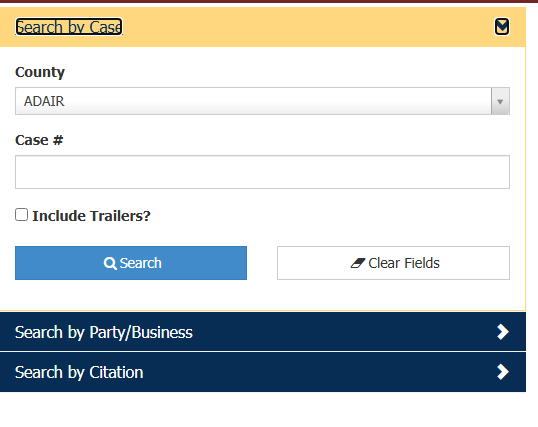
Users begin at the Kentucky court guest portal: https://kcoj.kycourts.net/kyecourts/login/guestlogin Once the page opens, users can select the guest sign up option and create an account with basic details. After account setup is complete, they can sign in and move to the public case lookup section where the search tool becomes available.
Quick User Steps
- Visit the official clerk portal
- Click Sign Up to create a guest account
- Enter account details and submit
- Sign in with login details
- Select Case Search from the menu
- Enter case information
- Review matching results
- Open docket entries for full case activity
Search by Name
If the case number is not available, a name lookup is usually the easiest starting point. Users can enter the last name first, then add the first name if several matches appear in the results list. This search works best when names are spelled correctly. If no file appears, users can try another spelling, include a middle initial, or search a business name for company-related matters. Reviewing filing dates and division names can help identify the correct case.
Search by Case Number
A case number search is often the fastest and most accurate method. Since each court file receives a unique number, entering the full number can lead directly to the correct record. Users should copy the number exactly as shown on court paperwork, notices, or receipts. If the search does not work, they can check dashes, year numbers, or spacing errors before trying again.
Search by Filing Date
When the filing month or year is known, date filters can narrow a long results list. This option is useful when many people share the same name or when users need recently opened cases. Short date ranges often produce better results than searching several years at once. Users may search by start date, end date, and case status if those options appear.
Search by Court Division
Choosing the correct court division helps remove unrelated records and saves time during the search process. For example, custody matters often appear in family court, while payment disputes may appear in civil court.
Common divisions may include:
- Civil
- Criminal
- Family
- Probate
- Traffic
Review Results and Open Docket Entries
After results appear, users can open the correct file and review docket history. The case page may show motions, orders, hearing dates, continuances, judgments, and recent filings. Important details to check include upcoming hearing dates, current status, assigned judge, and whether the case is active or closed.
What Is the Fayette County Court Docket?
The Fayette County court docket is the official list of events and updates tied to a court case. It works as a case timeline that shows what has happened, what is scheduled next, and how the matter is moving through court. A docket helps judges, clerks, attorneys, and public users track each step of a case. Instead of searching through many papers, users can review one organized record that lists dates, filings, hearings, and rulings. This makes case management easier and helps all parties stay aware of upcoming court activity.
Meaning of a Court Docket
A fayette county court docket is a running record connected to one case or to a daily court schedule. It may show actions from the day the case was opened until the matter is closed. The docket is often one of the most useful public records tools for checking case progress.
Many people use the docket to check:
- Current case status
- Upcoming hearing dates
- Prior court activity
- Filing history
- Judge assignments
- Final outcomes
Why Courts Use Dockets
Courts use dockets to keep cases organized and moving on time. Since many cases may be active at once, the docket gives a clear system for scheduling hearings, recording filings, and noting decisions. It helps court staff manage calendars, attorneys prepare for court, and parties confirm what step comes next. It can reduce confusion by keeping a dated list of each event in one place.
What Appears on a Docket
A docket may contain several types of entries that form the full case timeline. Each line often includes a date and short note about what occurred. Other items may include summons issued, notices sent, warrants, orders entered, or payment updates depending on case type.
Common docket entries include:
- Filings – complaints, petitions, responses, exhibits
- Motions – requests asking the judge to take action
- Hearings – scheduled court appearances or conferences
- Continuances – dates moved to a later time
- Judgments – final rulings or case decisions
| Docket Entry | Meaning |
|---|---|
| Filing | New document added |
| Motion | Formal request to court |
| Hearing | Court date scheduled |
| Continuance | Date postponed |
| Judgment | Final ruling entered |
How to Find Hearing Dates in Fayette County
Hearing dates in Fayette County can often be found through online case search tools, mailed court notices, email notices, Marriage & Divorce Records clerk office phone contact, or attorney case systems. A court appearance date may change with little warning, so users should check the latest update before traveling to court or preparing for a scheduled hearing. Knowing the correct hearing date helps users avoid missed appearances, delays, extra travel costs, or scheduling problems. Courts may move dates for staffing issues, attorney requests, weather conditions, or pending motions that need more time. For that reason, users should verify the most current record close to the scheduled day and keep copies of any notices received.
Search Online
Many users check hearing dates through a public case lookup page. After signing in or opening the search tool, users can search by party name, case number, or filing details and then open the docket history for the most recent updates. The case page may show the hearing time, courtroom number, assigned judge, and updated status notes. If the page lists a rescheduled hearing, users should rely on the newest date shown in the system.
Look for entries such as:
- Hearing scheduled
- Pretrial conference
- Motion hearing
- Trial date set
- Review hearing
- Status conference
Clerk Phone Verification
Users can call the Fayette County clerk office to verify if a hearing is still active, moved to a later date, or already completed. Clerk phone support is useful when online records appear unclear, delayed, or difficult to read.
Clerk Phone Number: (859) 246-2228
Phone or email contact can save time and prevent an unnecessary courthouse trip.
Helpful details to have ready before calling or sending an email:
- Full name
- Case number
- Court division
- Prior hearing date
Notice by Mail or Email
The court may send a hearing notice by mail or email notice using the address or email listed in the case file. These notices often include the hearing date, start time, courtroom, judge name, and basic case information. Users should check the mailbox, inbox, junk folder, and spam folder often. It is smart to keep printed or digital copies of all notices for future use if a date changes later.
- Clerk Email: circuitcourt@fayettecountyclerk.com
Attorney Portal Access & Important Reminder
Attorneys often have broader system tools that show updated scheduling records, filings, and official notices. If a person has legal counsel, the lawyer may confirm the next court appearance date, explain what documents to bring, and report any recent changes. This can be very helpful for criminal, family, probate, or civil matters where dates may move more than once. Always recheck the file shortly before court. A continuance date or late schedule change can happen with short notice, and missing an appearance may create penalties, warrants, or added delays.
Fayette County Case Timeline
A case timeline shows how a court matter moves from the first filing date until the final judgment or official closure. Each stage may include hearings, motions filed, continuance orders, settlements, or trial dates based on the type of case and how complex the dispute becomes. Many users review a timeline to understand what has already happened and what may happen next. Every case moves at a different pace, yet most matters follow a basic path from opening paperwork to a final court order. The docket history often lists each event by date, which helps users follow the progress of a case in a clear order.
Civil Case Timeline
A civil case usually begins when one party files a complaint against another person or business. After filing, the court issues service papers so the other side receives notice and gets time to respond. Civil matters often involve money claims, contracts, property disputes, or injury claims.
Typical civil timeline:
- Filing date of complaint and service of papers
- Response filed and early court conference
- Motions filed, discovery, or settlement talks
- Trial or final judgment entered
Some civil cases close quickly through settlement. Others may continue for months if evidence disputes or scheduling issues arise.
Criminal Case Timeline
A criminal case often starts after an arrest, citation, or formal charge filed by the prosecutor. The court then schedules an initial appearance where charges are reviewed and future dates may be set. Later hearings may focus on plea terms, evidence issues, or trial preparation. If a witness is unavailable or new evidence appears, the judge may approve a continuance and move the hearing to another date.
Common criminal timeline:
- Charge filed and first appearance
- Bond review or arraignment hearing
- Pretrial hearings or plea discussions
- Trial, sentencing, or dismissal
Family Case Timeline
Family court matters often include divorce, custody, parenting time, child support, or protective orders. These cases may involve several review hearings before a final order is entered, especially when children or property issues remain disputed. Family cases may stay open longer if parenting schedules, support amounts, or asset division need further review.
Usual family timeline:
- Petition filed and notice served
- Temporary orders or early hearing
- Mediation, evaluations, or support review
- Final agreement or final hearing
From Filing to Closure
Every case starts with a filing date and ends when the court enters a dismissal, settlement order, sentence, or final judgment. Users who check the docket timeline often get the clearest view of the next hearing date, recent activity, and current case status without waiting for mailed updates.
Fayette County Docket Entries
Docket entries are short updates placed on the court record to show what happened in a case. These notes help users track filings, hearings, judge decisions, and the current status from opening paperwork to final disposition. Many people open a case file and see short legal phrases that seem unclear at first glance. A docket entry is simply a dated line on the record that explains one action taken by the court, a party, or court staff. Reading these entries in order often gives the clearest picture of case progress.
What Docket Entries Show
A Fayette County case file may contain many docket entries over time. Some entries show documents filed by parties, while others show scheduling changes or rulings made by the judge. Together, these notes create a timeline of the case. The newest entry often gives the most current case status.
Common items shown in entries may include:
- New filings or responses
- Court hearing dates
- Motions requesting court action
- Judicial rulings or case closure
Common Fayette County Docket Entries
Below are entries many users may see when reviewing a court file.
Complaint Filed & Summons Issued
This means a case has officially started. The person or party bringing the claim filed paperwork asking the court for relief. The filing date is often the first major entry in a civil matter. A summons is a formal notice telling the other side that a case was filed. It may direct the person to respond or appear in court by a stated deadline.
Motion Filed & Hearing Scheduled
A motion is a written request asking the judge to take action. It may ask for more time, dismissal, evidence review, temporary orders, or scheduling changes. This entry means the court placed the case on the calendar. It may include the hearing date, time, courtroom, or judge assignment.
Continued & Order Signed
A continued entry means the hearing did not proceed on the original date and was moved. A new date may appear later in the docket. This means the judge approved and entered a written ruling. Orders may grant requests, deny requests, or set new deadlines.
Case Closed
This entry shows the matter has reached a final stage. Closure may happen after settlement, dismissal, sentence completion, or final disposition.
Example Docket Entry Table
| Date | Docket Entry | Plain Meaning |
|---|---|---|
| Jan 10 | Complaint Filed | Case opened |
| Jan 12 | Summons Issued | Notice sent to other party |
| Feb 02 | Motion Filed | Request sent to judge |
| Feb 20 | Hearing Scheduled | Court date added |
| Mar 01 | Continued | Hearing moved |
| Mar 18 | Order Signed | Judge entered ruling |
| Apr 05 | Case Closed | Matter finished |
Fayette County Courts Included in the Docket Search
Fayette County docket systems may include several court divisions, and each one handles a different type of case. Users who know the correct court can search faster, review case activity, and check hearing dates with fewer errors. A county case search often covers more than one court. Each division manages its own filings, hearing calendars, judges, and public records. Knowing where a case belongs can save time and reduce wrong search results. It can help users locate a civil court docket, criminal docket, or probate docket without opening the wrong file.
Superior Court
Superior Court often handles serious criminal charges and larger civil disputes. This division may hear felony cases, property conflicts, injunction requests, appeals from lower courts, and jury trials. Users checking this court may see motions, scheduled hearings, trial dates, and final orders.
State Court
State Court usually handles misdemeanor criminal matters, traffic violations, and many civil claims within set limits. It is one of the most active divisions in many counties. Public users often search this section for traffic hearings, criminal calendars, and everyday lawsuit records.
Magistrate Court
Magistrate Court is commonly used for lower-value disputes and quick legal actions. It may hear small claims cases, landlord-tenant disputes, garnishments, and warrant applications. Many users check this division when looking for simple money claims or eviction filings.
Probate Court
Probate Court focuses on estates, wills, guardianships, and conservatorships. Families often search this court after a death or during planning for care of another person. This section may contain a probate docket with estate filings, appointment orders, and hearing dates.
Family / Juvenile Court
Family or Juvenile matters may appear in a separate section or inside another division, based on county structure. Some records are restricted from public view to protect privacy.
- Custody cases
- Child support matters
- Juvenile cases
- Some records may be private
- Hearing dates may change
Judge Schedule & Courtroom Session Listings
A judge schedule helps users see when a case may be heard and which courtroom is assigned for the day. Session listing pages often show the assigned judge, courtroom number, start time, and case order. Court schedules can change often. A case may move from one room to another, or a different judge may cover the docket for the day. Users should check listings again before leaving for court.
How Judges Rotate
Many courts use rotating calendars to balance workload. One judge may hear criminal matters for part of the week, while another handles civil cases or family hearings. Some judges rotate by month, by case type, or by emergency coverage needs. Rotation helps courts keep cases moving and reduces delays when one courtroom becomes too busy.
A public judge schedule may show:
- Assigned judge name
- Courtroom number
- Case category
- Hearing start time
- Clerk contact details
Why Schedule Changes Happen
Session listings may change with short notice. Courts adjust calendars for many reasons, and users should expect updates during busy weeks. When changes happen, the case may move to a new time or another courtroom number.
Common reasons include:
- Judge illness or leave
- Jury trial taking longer than planned
- Weather delays
- Attorney scheduling conflicts
- Emergency hearings added to the docket
Morning / Afternoon Sessions
Many courts divide calendars into morning and afternoon blocks. Morning sessions often begin with arraignments, status checks, or short hearings. Afternoon sessions may include longer motions, trials, or contested matters. Arriving early is helpful. Security lines, parking, and last-minute room changes can affect timing.
Users should review the session listing carefully and note:
| Session Time | Common Matters |
|---|---|
| Morning | Quick hearings, status calls, first appearances |
| Afternoon | Trials, evidence motions, longer hearings |
Fayette County Court Calendar & Court Schedule
A Fayette County court calendar helps users check hearing times, courtroom locations, and upcoming case events. The court schedule may include daily settings, weekly hearings, trial dates, and special session listing updates. Court calendars help parties, attorneys, and visitors plan ahead. Many courts organize calendars by date, judge, case type, or courtroom number. Some listings update once each day, while others change several times as cases are added, moved, or continued.
Daily Schedule
A daily calendar usually shows matters set for the current day. It may list start times, assigned judge names, courtroom numbers, and short case descriptions. Users should review the calendar before leaving home, since room changes can happen.
Common items on a daily schedule include:
- First appearances
- Status conferences
- Plea hearings
- Short civil hearings
- Sentencing matters
Weekly Court Sessions
Many courts post a broader court schedule covering several days. Weekly listings help users plan travel, witness attendance, and filing deadlines. This type of view is useful for attorneys and parties with future hearings.
A weekly calendar may include:
- Monday through Friday sessions
- Judge assignments
- Civil and criminal blocks
- Reserved trial dates
- Holiday closures or reduced hours
Trial Calendars
Trial settings often appear on separate calendars. Jury trials and bench trials may take longer time blocks than regular hearings, so courts list them apart from shorter matters. Large trials can affect other courtroom schedules during the week.
Trial calendars may show:
- Case name or number
- Trial start date
- Courtroom list
- Assigned judge
- Estimated length of trial
Arraignment Days
Arraignment sessions are common in criminal court. These hearings often involve formal charges, plea entry, bond review, or next-date scheduling. Some courts group arraignments on specific weekdays or at set morning times. High-volume calendars may move quickly, so early arrival is helpful.
Motion Hearings
Motion hearings focus on requests made before trial or final judgment. These may involve evidence issues, continuances, dismissals, discovery disputes, or scheduling requests. Motion calendars can be busy and may run longer than expected if many cases are listed.
How Often Calendars Update
Court calendars update based on local staffing and case volume. Some systems refresh once daily, while others change throughout the day. Users should recheck the session listing shortly before the hearing time for the most current information.
Typical update patterns:
- Early morning posting
- Midday courtroom changes
- Afternoon continuance updates
- Weekly refresh at end of business week
- New entries after clerk processing
Frequently Asked Questions
These common questions help users search Fayette County court records, hearing dates, and calendar details faster. Public docket tools can vary by court division, so users should confirm details through official county sources when timing matters.
How do I search Fayette County court docket by name?
To search a Fayette County court docket by name, users usually enter the last name first and then add the first name if needed. Many search systems return several matches, so adding more details can narrow the results. A middle initial, filing year, or business name may help when many similar names appear. If no result is shown, the issue may be a spelling difference or recent filing delay. Users often get better results by trying alternate spellings, former names, or shorter versions of the name. Using a case number is usually the fastest and most accurate option when available.
How do I check Fayette County hearing dates?
Hearing dates are often listed inside the case docket or on the court calendar. Users can open the case file and review the most recent entries for scheduled hearings, motion dates, arraignments, or trial settings. The listing may show the time, courtroom number, and assigned judge. Since court sessions can change, many users check the schedule again on the same day before leaving for court.
Is Fayette County docket information public?
Many docket records are public, though the amount of visible detail depends on case type and local rules. Public systems often display case number, party names, filing dates, hearing dates, and case status. Some records may have limited visibility. Sealed files, juvenile matters, adoption cases, and certain protected family records may not appear online or may show only basic information.
How often is the court calendar updated?
A court calendar may update once daily or several times during business hours. Update timing often depends on staffing, new filings, emergency hearings, and courtroom changes. Morning postings are common, but calendars may change later in the day if cases are continued or moved to another room. Users should recheck the schedule shortly before the hearing time for the latest information.
Can I search criminal cases online?
Many courts allow public online searches for criminal cases. Users may find misdemeanor or felony case listings based on the court division and local record rules.A criminal case search may show the case number, charge type, hearing dates, judge assignment, and final status. Some criminal files may be delayed, sealed, or hidden from public display by law or court order.
How do I find judge schedule information?
Judge schedule details are often posted through the court calendar or daily session listing. These pages may show the assigned judge, courtroom number, and hearing times for that day or week. Some courts rotate judges between civil, criminal, and family matters. If no public listing appears online, the clerk’s office may confirm general courtroom scheduling details for public sessions.