Fayette County Circuit Court case details and public records can be found through clerk office tools and local court search systems today. This page explains how visitors search cases by name number or filing date review docket entries check hearing schedules and locate the proper division fast. Many people visit after receiving papers notices or summons. Others need civil criminal family or probate updates before appearing in court or calling staff for help now with current case status copies motions judgments appeals dates calendars and filing history for better planning before travel parking lines security checks morning visits this week there today soon extra words need more here added done.
The Circuit Court Fayette County often handles civil lawsuits felony matters family disputes probate appeals and other cases allowed by state law. Users can review dockets showing motions continuances hearings orders and next settings. A docket helps track progress and shows what happened on each court date. Clerk office records may include filed complaints judgments warrants fee receipts and party names. Checking details early can reduce delays save trips and help visitors bring correct papers on arrival day at court building today staff windows open lines vary by season so calling ahead may confirm hours room numbers parking routes elevators entrances and screening times for smoother visits this month now.
How to Search Fayette County Circuit Court Cases
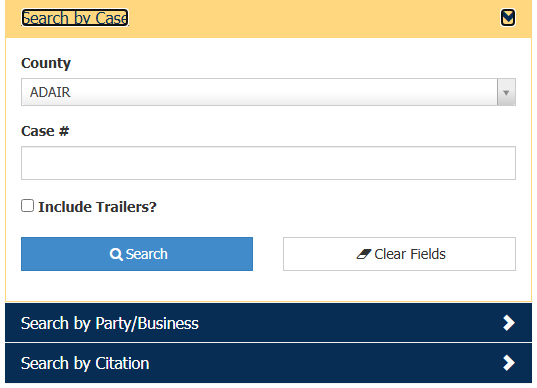
Fayette County Circuit Court cases can be searched online through the Kentucky CourtNet system after account sign in. This tool helps users review circuit court records, pending hearings, filed motions, party names, and status updates. A proper court case search works best with exact spelling, full case numbers, and the correct county selection. Users may search criminal files, civil lawsuits, and recently filed matters by date. Many people use the portal before a court visit to confirm schedules or locate docket details. To begin, After sign in, click case search, choose Fayette County Search then enter case details to view matching records and public case entries online today quickly.
Portal Search Process
- Open the Kentucky CourtNet login page. Open the official login page here: https://kcoj.kycourts.net/courtnet/&app=courtnet
- Sign in with an active account.
- After login, click Case Search.
- The search tool page will open.
- Select Fayette County from the county list.
- Choose search type such as name, case number, or date.
- Enter case details.
- Click search to view results.
- Open the matching case file to review docket entries.
Search by Name
A party name search helps when the case number is unknown. Users can search plaintiffs, defendants, petitioners, or respondents. Exact spelling gives better results, though short name versions may help if no match appears in the first search.
- Sign in to CourtNet
- Click Case Search
- Select Fayette County
- Choose Name Search
- Enter last name first
- Add first name if needed
- Run search
Search by Case Number
A case number lookup is usually the fastest way to find Fayette County Circuit Court cases. Each case has a unique number that points to one file. Enter all letters, dashes, and year codes exactly as shown.
- Log in to the portal
- Open Case Search
- Select Fayette County
- Choose Case Number Search
- Enter full case number
Search by Filing Date
This option helps users find recently filed matters or records from a certain time period. A narrow date range often gives cleaner results. Users may sort returned cases by oldest or newest filing dates.
- Open search page
- Select Fayette County
- Choose Date Search
- Enter start date
- Enter end date
Search Criminal Cases
Criminal case searches may show charges, arraignment dates, plea hearings, bond events, and sentencing settings. Some records may have limited public display under law, so not every detail may appear online.
- Sign in to portal
- Choose Fayette County
- Select Criminal Cases
- Search by defendant name
What Is Fayette County Circuit Court?
Fayette County Circuit Court is a major trial-level court that handles serious legal matters within the county judiciary system. The Circuit Court Fayette County hears civil disputes, felony criminal cases, appeals from lower courts, Municipal Court matters, and other judicial cases assigned by law. This court serves as a central part of local justice. It reviews evidence, hears testimony, rules on motions, and issues orders that affect people, families, businesses, and public matters. Many residents use this court when a case is too serious or too complex for lower courts.
Role of the Circuit Court
The circuit court acts as a trial court for higher-level matters. Judges manage cases from filing through final decision. They may hold hearings, approve settlements, conduct jury trials, and enter judgments. This makes the court a key part of the county judiciary structure.
Common duties include:
- Resolving civil lawsuits
- Hearing felony criminal charges
- Managing probate and estate matters in some systems
- Reviewing family-related disputes when assigned
- Handling appeals from lower courts
- Enforcing court orders and judgments
Cases the Court Hears
The Fayette County Circuit Court often hears cases with larger financial claims or serious criminal charges. Felony matters may include arraignments, motions, plea hearings, and sentencing. Civil matters may involve contracts, injury claims, property disputes, or business conflicts. Appeal cases are another major function. When a party challenges a lower court ruling, the circuit court may review the record and issue a new decision based on law and procedure.
Local Court Authority
The court has authority inside Fayette County and handles matters filed under state law. Its rulings can require payment, jail terms, property transfer, or other legal action when supported by the case record. Judges and clerk staff work together to keep cases moving through hearings, filings, and scheduling.
Relationship With Lower Courts
Lower courts often handle traffic tickets, small claims, minor offenses, or first appearances. If a case is more serious, exceeds limits, or moves to appeal, it may go to the Circuit Court Fayette County. This link between courts helps organize cases by level and keeps the justice system working in an orderly way.
Fayette County Circuit Court Records Request
Circuit court records from Fayette County include many files kept by the clerk office, such as dockets, judgments, motions, and other public documents tied to court cases. People request these records for legal matters, property issues, personal proof, genealogy work, and case review before hearings. Fayette County records may be available through the records counter, written mail requests, or online systems when offered by the court. Search results are faster when the requester provides a full party name, accurate case number, and filing year. Some files can be copied the same day, while older archived records may need more time. Fees often depend on page count, certification, search labor, and delivery method selected by the requester at the time.
What Records Are Public
Many court files are open for public inspection unless a law or judge order limits release. Public records usually include basic case data, filing history, hearing dates, and final rulings entered in open court. Older paper files may take longer to retrieve if stored in archives. Users should bring the party name, case number, or filing date for faster service. Some documents may have private data removed before release. Public access rules can differ by case type, so the clerk office may explain what can be copied or viewed. If a record is large, staff may ask for extra processing time before pickup or mailing of requested pages.
- Case summaries
- Docket sheets
- Orders and judgments
- Hearing dates
How to Request Copies
A case file request works best when the requester gives complete details. The clerk office often asks for party names, file number, or the year filed. Requests may be made in person, by mail, phone, or portal if available. Ask whether plain copies or certified copies are needed before payment. Certified copies usually include a stamp or seal for official use. Processing time can depend on file age and page count. Large files may need advance notice. If mailing is requested, include a return address and contact number. Always confirm payment methods before visiting the office to avoid delays at the counter.
- Gather case number or names
- Choose plain or certified copies
- Pay required charges
- Pick up or request mailing
Fees for Copies
Copy charges often depend on page count, certification, and search time. Plain paper copies usually cost less than certified records. Some offices charge extra for archived files or mail delivery. Prices can change, so calling ahead is wise. If a file is large, total cost may rise quickly. Payment may be accepted by cash, card, money order, or check based on office policy. Users requesting many pages should ask for an estimate first. The table below shows common sample fees often used by county record offices. Final amounts can vary, so clerk staff should confirm current charges before payment is made.
| Service Type | Estimated Fee |
|---|---|
| Standard Copy (per page) | $0.50 |
| Certified Copy (document) | $5.00 |
| Record Search Fee | $10.00 |
| Archived File Retrieval | $15.00 |
- Ask for current fees first
- Large files cost more
- Certified copies add charges
- Bring valid payment method
Sealed Case Limits
Some court records are restricted and cannot be released to the public. These limits protect minors, private family matters, sealed investigations, and sensitive personal data. Even when a case appears on the docket, certain filings may stay hidden from view. Clerk staff must follow court orders and privacy laws, so they may deny a copy request or release only basic details. A judge order may be needed for broader release. If a requester is a party to the case, different rules may apply. Bringing identification can help in some matters. Users should ask staff what lawful options exist for restricted.
Fayette County Circuit Court Docket
The circuit court docket is the running timeline of a court case. It lists filings, hearings, orders, and other case activity entered by the clerk or court staff. Many people use the Fayette County docket to track hearing dates, review progress, and confirm what happened in a case. A docket can help attorneys, parties, and researchers stay informed without reading every paper in the file. Some systems update daily, while others may take longer after a hearing or filing. Exact details depend on local posting rules and privacy limits. Using the correct party name or case number often gives faster search results. Reading the docket carefully can prevent missed dates and confusion about next steps.
What a Docket Shows
A docket is the official list of actions taken in a case from start to finish. Each line is called a docket entry and usually includes a date, short note, and filing type. It may show when a complaint was filed, when notices were sent, and when a judge signed an order. Users often check dockets to follow progress before the next court date. Some entries are brief, so reading several lines together gives a clearer picture of the case path.
What it Includes:
- Filing dates
- Motions filed
- Orders entered
- Court settings
How to Read Case Numbers
Case numbers help identify one file from all others in the court system. They often include a year, case type code, and serial number. Some courts use letters for civil, criminal, family, or probate matters. Reading the number correctly helps users search faster and avoid wrong results. If a dash or letter is missing, the system may not find the file. A full case number should match the number shown on court notices or filed papers.
Upcoming Hearings
The docket often lists future hearings, status conferences, motion dates, and trial settings. Users should review dates often since schedules can change. A hearing line may include room number, judge name, or time when posted. If no date appears, the case may still be waiting for a setting or recent updates. Calling the clerk office may help confirm schedule changes close to the hearing day.
- Motion hearings
- Trial dates
- Status conferences
- Rescheduled settings
Civil Court Cases in Fayette County Circuit Court
The civil court division in Fayette County Circuit Court handles legal disputes between people, businesses, landlords, and other parties. These matters usually involve money claims, property rights, contracts, or requests for court orders instead of criminal charges. Many Fayette County civil cases begin when one side says another side caused loss, damage, or failed to meet a legal duty. The court reviews filings, hears evidence, and issues decisions based on the law. Some disputes settle early through negotiation, while others move to hearings or trial. Civil files may include motions, discovery requests, witness lists, and final judgments. People often search these cases to track deadlines, review lawsuits, or confirm scheduled hearings in the public docket system.
Common Civil Cases
Civil cases cover many non-criminal disputes filed by private parties. The court may hear claims involving unpaid debts, business disagreements, land use issues, and injury losses. Some cases ask for money damages, while others request an order requiring action or stopping harmful conduct. Filing type often depends on the amount in dispute and legal issue raised. Cases may settle before trial if both sides agree.
- Lawsuits for money damages
- Property disputes between owners or neighbors
- Personal injury claims after accidents
- Contract claims over broken agreements
Filing a Lawsuit
Starting a civil case usually begins with a complaint filed by the person bringing the claim. The filing explains facts, names the defendant, and requests relief from the court. Fees are often due at filing unless waived by court order. After filing, the defendant must receive formal notice and time to respond. Missing steps can delay the case or lead to dismissal. A typical filing process includes preparing the complaint, paying fees, serving papers, and waiting for an answer. After that, the court may set conferences or hearing dates based on the case schedule.
Civil Hearings Timeline
The timeline for civil matters can vary by case size, motions, and court calendar space. Some smaller disputes move quickly, while larger lawsuits may take months or longer. Early stages often involve responses and exchange of records. Later stages may include settlement talks, motions, and trial preparation. If parties reach agreement, the case may end before trial. Common stages include filing, service, answer, discovery, motions, settlement review, pretrial conference, and final hearing or jury trial. Users should watch deadlines closely and review the docket for updates.
Felony Division in Fayette County Circuit Court
The felony division in Fayette County Circuit Court handles serious criminal charges that carry stronger penalties than misdemeanors. The criminal court Fayette County process may include arrest review, indictment, arraignment, motions, trial, and sentencing based on the charge level. Felony matters often involve detailed evidence, witness testimony, and strict court deadlines. Judges oversee hearings, protect legal rights, and decide motions before trial. Some cases end through plea agreements, while others move to jury trial. Public dockets may show hearing dates, attorney names, and case status updates. Defendants, families, and victims often review these records to follow progress and prepare for court appearances. Each case follows state law and local rules from filing through final judgment.
Types of Felony Cases
Felony charges usually involve conduct considered more serious under criminal law. The exact charge level depends on facts, prior history, injuries, property value, or weapon use. Some offenses can be violent, while others involve fraud, theft, or drug allegations. Penalties may include prison time, probation, fines, restitution, or supervision after release.
- Assault or violent offenses
- Burglary or major theft cases
- Drug trafficking charges
- Fraud or financial crimes
Criminal Case Stages
A felony case often moves through several formal steps before final resolution. After arrest or citation, prosecutors review evidence and may seek an indictment in cases that require it. The defendant then appears for arraignment, where charges are read and a plea may be entered. Later stages can include discovery exchange, pretrial motions, plea talks, and scheduling conferences. If no settlement occurs, the matter may proceed to a criminal trial before a judge or jury. At trial, both sides present witnesses and evidence. If convicted or a plea is entered, the court sets sentencing.
Bond & Sentencing Hearings
Bond hearings address release terms while the case is pending. The judge may review flight risk, public safety, prior record, and ties to the community. Release can include cash bond, supervised release, reporting rules, or no-contact conditions. Missing court can lead to bond revocation or warrants. Sentencing hearings happen after conviction or guilty plea. The judge may consider the law, case facts, victim impact, criminal history, and recommendations from both sides before setting punishment.
What it Includes:
- Bond amount or release terms
- Probation review options
- Jail or prison term
- Fines, fees, or restitution
Fayette County Appeals Process
The appeals process allows a party to ask a higher court to review a decision made in Fayette County Circuit Court or a lower court matter that moved upward. A court appeal Fayette County case does not start a new trial. Instead, the reviewing court studies the law, procedures, and the existing trial record to decide whether an error affected the result. Appeals are common after final judgments, criminal convictions, civil rulings, or certain special orders allowed by law. The court may affirm the ruling, reverse it, send the case back, or order more proceedings. Strict deadlines apply, so parties should act quickly after judgment. Missing a deadline can end the right to seek review in many cases.
Who Can Appeal
A party who is directly affected by the final order or judgment may have appeal rights. This often includes plaintiffs, defendants, criminal defendants, or government agencies in matters allowed by law. The person filing must usually show that the ruling harmed a legal right or caused a significant issue worth review.
- Civil parties after final judgment
- Criminal defendants after conviction
- Agencies in approved matters
- Parties harmed by appealable orders
Deadlines
Appeal deadlines are often short and begin when the final order is entered. The exact number of days depends on the case type and court rules. Waiting too long can cause dismissal even if strong issues exist. Parties should review the signed order date, mailing notice, and any post-judgment motions that may affect timing. Many users file a notice of appeal first, then complete later paperwork within set time limits.
Fayette County Circuit Court Trial Calendar
The trial calendar helps parties track upcoming hearings, motion dates, and trial settings in Fayette County Circuit Court. Many people review the hearing calendar to confirm appearance times, judge assignments, and courtroom locations before coming to court. The court schedule may change based on case volume, emergency orders, settlements, or judge availability. Some calendars update daily, while others post weekly lists. Users should check often near the hearing date for last-minute changes. Public listings may show case number, party names, time slot, and room details. Using the correct docket number makes searches faster. Reviewing the calendar early can reduce missed appearances and late arrivals at the courthouse.
How to Find Trial Dates
Trial dates are often listed on the public docket system, clerk notices, or posted courtroom schedules. Parties may receive mailed notices after a judge sets the matter for hearing or trial. Users should search by party name or case number to confirm the most current listing. If nothing appears online, the case may still be awaiting a setting.
- Search by case number
- Check clerk notices
- Review online docket schedule
- Call clerk for updates
Calendar Codes Explained
Court calendars may use short codes to save space. These codes identify hearing type, courtroom, judge division, or case status. Reading them correctly helps parties know whether the setting is a motion hearing, pretrial conference, or jury matter. Some codes vary by county practice, so local staff may explain unclear entries. Common listings may include JT for jury trial dates, PTC for pretrial conference, or room numbers for courtroom assignment.
Fayette County Circuit Court Clerk Office
The Fayette County Circuit Court Clerk office manages many daily court operations that keep cases moving. The clerk office receives filings, stores records, collects approved fees, issues certified copies, and maintains case dockets for public and court use. Many visitors stop here first when they need forms, payment details, or file status information. Staff members handle paperwork based on court rules and direct people to the proper division when needed. The office often serves attorneys, self-represented parties, title companies, and residents seeking case details. Hours, accepted payment methods, and service times may vary by day or location. Calling ahead can save time before visiting the courthouse for records or filing help.
Office Role
The clerk office is the main administrative center for many court matters. Staff receive new case filings, enter docket updates, schedule some matters, and preserve official records. They do not give legal advice, yet they can explain filing steps, fee schedules, and where forms are submitted.
Forms Filing
Many cases begin at the filing desk, where complaints, motions, answers, and other papers are submitted. Filings may need signatures, copies, case numbers, and required fees. Incomplete forms can delay acceptance, so users should review all pages before submission.
- New case filings
- Motions and responses
- Name change forms
- Probate paperwork
Payments
The office may collect filing fees, copy charges, fines, or other court-approved costs. Accepted methods can include cash, card, money order, or certified funds depending on policy. Receipts should be kept for records.
Certified Records
The records counter often provides copies of public files and certified records for official use. Certified copies may be needed for appeals, property matters, probate, or identity updates.
- Standard copies
- Certified judgments
- Docket printouts
Filing Fees & Court Costs
Court filing fees are payments required when a person starts a case or requests certain services in Fayette County Circuit Court. Circuit court fees may apply to civil lawsuits, appeals, motions, record copies, certifications, and other clerk office transactions. The final cost often depends on the type of case, number of filings, and service requested. A new lawsuit may have one charge, while appeals and special petitions may have different rates. Some parties with limited income may ask the court for a fee waiver based on local rules. Since fee schedules can change, checking current amounts before filing is helpful. Bringing the correct payment type can reduce delays and help complete filing faster at the courthouse counter.
Common Court Fees
Many charges are linked to the kind of action filed. A civil filing fee is common when opening a lawsuit. Later motions or amended filings may add new costs. Record requests often include copy charges, and appeals may require separate review payments.
| Service Type | Estimated Fee |
|---|---|
| Civil Case Filing | $150.00+ |
| Motion Filing | $25.00+ |
| Appeal Fees | $200.00+ |
| Standard Copy (per page) | $0.50 |
| Certified Copy | $5.00 |
Payment Methods
The clerk office may accept cash, credit card, money order, or certified funds depending on local policy. Some payment methods may include service charges. Keeping a receipt is useful for proof of filing, refunds, or later record pickup.
- Confirm updated fee schedule first
- Bring valid payment method
- Keep all receipts
- Ask about fee waivers if eligible
Court Location, Phone Number & Hours
The Fayette County Circuit Court address is Robert F. Stephens Circuit Courthouse, 120 N. Limestone, Lexington, KY 40507. The courthouse is open Monday through Friday, 8:00 a.m. to 4:00 p.m., and several divisions use different phone numbers. People looking for the fayette county court phone number, office hours, parking, or entry rules can use the details below before visiting.
Fayette County Circuit Court Address
Main Courthouse
Robert F. Stephens Circuit Courthouse
120 N. Limestone
Lexington, KY 40507
This building handles many circuit court records, civil filings, criminal matters, family court matters, and appeals functions.
Phone Numbers by Division
| Division | Phone Number |
|---|---|
| Civil Division | 859-246-2141 |
| Criminal Division | 859-246-2224 |
| Appeals & Records | 859-246-2147 |
| Domestic Violence Office | 859-246-2248 |
Office Hours
Regular Business Hours
- Monday to Friday
- 8:00 a.m. – 4:00 p.m.
Hours may change on court holidays or weather closure days. Calling first can save time.
Frequently Asked Questions
Below are common questions people ask about Fayette County Circuit Court. These short answers are written to match search intent and help users find quick information.
How do I search Fayette County Circuit Court cases?
People can search Fayette County Circuit Court cases through the state court record system or by contacting the circuit clerk’s office. Most search systems allow users to look up a case by case number, party name, business name, attorney name, or filing date. Entering the full last name and first name often gives better results. Search results may show case status, docket entries, hearing dates, judge assignment, and filed records. If no result appears, the case may be sealed, archived, older, or listed under a different spelling.
Are Fayette County court records public?
Many Fayette County court records are open to the public. Public records often include civil matters, many criminal cases, judgments, docket sheets, and hearing schedules. These files can often be viewed online or requested from the clerk. Some records are restricted by law or court order. This can include juvenile files, adoption matters, sealed records, and some family court cases. Private personal details may be removed from public view.
How do I get certified copies?
Certified copies are official copies issued by the court with a stamp or seal. These are often needed for legal filings, appeals, probate matters, licensing, or identity purposes. People usually request certified copies through the circuit clerk’s office. A request often includes the case number, party names, document name, and number of copies needed. Fees usually apply for both copies and certification. Processing time can vary based on workload and file location.
What cases does circuit court handle?
Circuit court handles larger and more serious matters than lower courts. It often hears major civil lawsuits, felony criminal charges, appeals from lower courts, property disputes, contract claims, and other high-level matters. In many areas, family divisions connected to circuit court may hear divorce, custody, child support, and domestic relations matters. Exact case assignment can depend on local court structure.
How do I check the trial calendar?
People can check the trial calendar through the online docket system or by contacting the clerk’s office. A case search may show the trial date, motion hearing date, courtroom number, judge name, and scheduled time. Court dates can change after continuances, settlements, or judge orders. It is smart to review the calendar again shortly before the hearing date.
Can I appeal a circuit court decision?
Yes, many circuit court decisions can be appealed to a higher court. An appeal asks another court to review whether legal errors affected the result. Appeal deadlines are strict, and late filing can end appeal rights. Fees and formal documents are often required. Many people speak with an attorney before starting an appeal since court rules can be technical.
How much are filing fees?
Filing fees depend on the type of case. There is no single amount for every matter. Civil complaints, divorce filings, appeals, motions, and name changes may all have different costs. Copy fees, certification fees, and search fees may apply in some requests. Some people may qualify for a fee waiver based on income. The clerk’s office can confirm the latest fee schedule before filing.