Fayette County District Court handles many lower-level legal matters, including traffic offenses, misdemeanor charges, first appearances, and some civil disputes. Many people search district court Fayette County to check hearing dates, review docket status, or locate public case details. This court is often the first place where defendants appear after an arrest or citation. It may hear bond matters, plea dates, and scheduling conferences. Some divisions may process small claims or limited money disputes. Court duties can vary by local structure and assigned judges. Users should confirm the exact case type before visiting or calling.
People often need Fayette County district court cases details for records, payments, or upcoming hearings. Case lookup may be available through clerk systems, public terminals, or online docket tools. Searches usually work best with a full name or exact case number. Traffic and misdemeanor files make up a large share of district court activity. Missing a hearing may cause delays, added costs, or warrant issues in some matters. Court records may include filings, motions, judgments, and scheduled dates. This page helps users find case info, understand hearings, and locate common court services.
How to Search Fayette County District Court
Finding Fayette County district court records is often simple when the right search details are used. At Fayette County Court most users check a case for hearing dates, filing status, charges, payments, or docket notes. A court case search may allow searches by person name, case number, filing date, or citation number. Using exact details usually gives faster and cleaner results. Many district court records include party data, event dates, and docket entries. Some files may have limits based on sealed status or privacy law. The steps below show common ways to search with better accuracy.
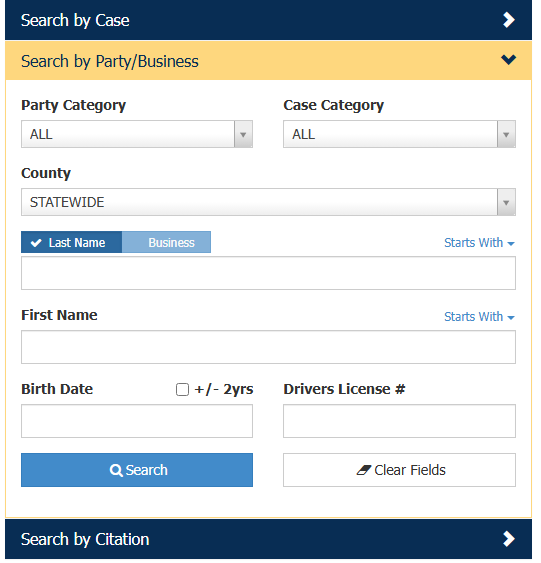
How to Open the Fayette County District Court Case Search Tool
Users can reach the official search portal through the Fayette County court page. Follow these quick steps to open the case lookup tool.
- Visit the official Fayette County court page:
https://www.kycourts.gov/Courts/County-Information/Fayette/Pages/Fayette.aspx - Scroll through the page and click Find a Case.
- After the new page opens, complete the reCAPTCHA security check.
- Click the confirmation button after the reCAPTCHA is marked complete.
- The official search portal will open.
- Select the preferred search type such as:
- Party Name
- Case Number
- Citation Number
- Filing Date
- Enter the case details and run the search.
- Review results and open docket entries for case updates.
Search by Name
A name search is common when the case number is unknown. Enter the full legal name of the party if possible. Use last name first if the system asks for it. Middle initials may help narrow large result lists. If no match appears, try removing punctuation or short forms. Married names, former names, or spelling errors can affect results. This method works well for many public records searches.
Here it is:
- Use full first and last name
- Try common spelling variations
- Add middle initial if known
- Use fewer filters if no result shows
Search by Case Number
A docket lookup by case number is often the fastest method. Each file has a unique number tied to that matter. Enter the number exactly as shown on notices or court papers. Include dashes or letters if the portal uses them. One wrong digit may return no match. This search often opens the correct file at once. It is the best option for repeat checks.
Good sources for case number:
- Hearing notice
- Citation copy
- Clerk receipt
- Prior docket printout
Search by Filing Date
A filing date search helps when the party name is common. Enter the exact date if known. Some systems allow a date range. This can narrow many similar results into a short list. Use month, day, and year in the required format. If no result appears, widen the date range. This option helps users who know when the case started.
Search by Citation Number
Traffic matters often use a citation number search. The citation number appears on the ticket or notice issued by an officer. Enter the full number without missing digits. Some systems separate letters and numbers. This method can quickly pull up traffic or misdemeanor entries. It is useful when the driver name has spelling issues. Keep the ticket nearby before starting.
What Is Fayette County District Court?
Fayette County District Court is a lower court that handles many common legal matters within the county. It is often the first place where criminal charges, traffic issues, and smaller civil cases are heard. This court plays a key role in the local court system by managing early hearings and routine disputes. It helps move cases through the county judiciary in an organized and timely way.
The Fayette County District Court serves residents, law enforcement agencies, and local businesses by hearing matters that affect everyday life. Many legal cases begin here before moving forward to a higher trial court, Superior Court if more action is needed. For many people, this court is their first contact with the justice system. As a lower court, it focuses on quicker hearings, first appearances, and cases with limited penalties or lower dollar amounts. Judges review facts, hear both sides, and issue rulings based on state law and court procedure.
Role of District Court Fayette County
The district court Fayette County handles a steady flow of legal matters each week. It helps reduce pressure on higher courts by managing cases that do not need a more formal courtroom process. In many criminal matters, the court may hold an early hearing before the case moves to another level. This process keeps the county judiciary working efficiently and gives parties a place to resolve disputes closer to home.
Common matters handled by this court include:
- Traffic violations and driving offenses
- Misdemeanor criminal charges
- Small civil disputes involving money or property
- Bond hearings, warrants, and early case reviews
First Appearance and Community Cases
One major duty of the court is handling first appearance matters after an arrest. During that hearing, a judge may explain the charges, review release terms, set bond, and schedule the next court date. The court likewise hears community cases that affect local residents every day. These may include unpaid debts, property disagreements, traffic offenses, and public safety matters. By handling these issues quickly, the Fayette County District Court remains an important part of the local justice process. It provides a clear starting point for many cases and supports fair case movement through the trial court system.
Types of Cases Heard in Fayette County District Court
Fayette County District Court hears a wide range of lower-level legal matters that affect local residents each day. These include criminal charges, misdemeanor cases, traffic hearings, civil claims, and early criminal procedures such as warrants or preliminary hearings. Many people visit this court for routine legal issues rather than major trials. The court helps move cases quickly and gives the public a local place to resolve disputes.
The district court cases handled here usually involve matters with limited penalties, smaller money claims, or first-stage criminal proceedings. This makes the court an important part of the county justice process. Judges review facts, hear testimony, and issue rulings based on law and court procedure. From unpaid citations to landlord tenant disputes, the court manages cases that can directly affect housing, driving records, finances, and public safety.
Criminal & Misdemeanor Cases
A large share of the docket includes misdemeanor cases and lower-level criminal offenses. These matters may involve conduct that carries lighter penalties than felony charges, though the outcome can still be serious. In many situations, the defendant first appears in district court for arraignment, bond review, or scheduling. The judge may explain charges, set release conditions, and assign the next hearing date. Some cases stay in this court for final resolution, while others move forward if required by law.
Common criminal matters may include:
- Disorderly conduct
- Theft under set limits
- Trespassing
- Simple assault allegations
- Drug possession charges, where allowed by law
Traffic Violations & Citation Hearings
Many residents know the court through traffic hearings. Drivers may appear after receiving citations from police or highway patrol officers. These cases can involve fines, points, license issues, or court costs. At a hearing, the judge may review the citation, hear statements from both sides, and issue a ruling. In some cases, payment plans or defensive driving options may be available based on local rules. Prompt action can help avoid added penalties or missed court consequences.
Typical traffic matters include:
- Speeding tickets
- Driving without insurance
- Expired registration
- Failure to obey signals
- Reckless driving allegations
Civil Disputes / Small Claims
The court may hear smaller civil claims between private parties. These cases often involve money disputes, damaged property, unpaid bills, or contract disagreements. Small claims cases often use a simpler process than higher courts. Each side can present records, receipts, photos, or witness statements. The judge then decides whether money is owed or another remedy applies. This gives residents a practical way to settle disputes without a lengthy lawsuit.
Some examples include:
- Security deposit disputes
- Unpaid personal loans
- Property repair costs
- Minor contract claims
- Landlord tenant conflicts
Preliminary Hearings / Warrants
District court often handles early criminal procedures before a case reaches another court. These matters may include arrest warrants, search warrants, and preliminary hearings. At a preliminary hearing, the judge reviews whether enough evidence exists for the case to continue. This is not a full trial. It is an early legal review step. Warrant requests may be reviewed when officers present sworn facts. These hearings help protect legal process standards and keep criminal cases moving through the court system.
Fayette County District Court Records
Fayette County District Court records are official files created during a case and kept by the court. These records show the history of a matter from filing to final outcome. Many records are open as public records, so people may review basic case details. Some files stay private when law or court order limits release. Records often include case file papers, docket entries, hearing notes, and judgments.
What District Court Records Usually Include
A court file keeps all major updates in one place. It may contain documents filed by both sides, notices from the court, and orders signed by the judge. These records help people track hearing dates and case progress. The contents often depend on whether the case is criminal or civil. Older files may be stored in archives and newer files may appear in digital systems.
Common items may include:
- Case number and filing date
- Party names and docket entries
- Orders, hearing notes, and judgments
What Records Are Public
Many district court records may be open for public review. Public files often allow people to confirm that a case exists and check its status. This can help with legal research, personal record checks, or approved background screening. Public viewing may happen online or through the clerk office. Copy charges may apply for printed documents. Basic public details often include case numbers, party names, hearing dates, and final case outcomes. Some systems may show only summary data instead of full documents. Local rules can affect what appears online. In-person requests may provide more detail than web listings. Identification may be required in some requests.
What May Be Restricted
Some records cannot be freely shared with the public. Courts limit these files to protect privacy, minors, victims, or sensitive data. Sealed files may need a court order before release. Redacted copies may hide personal numbers or protected details. Rules often change by case type.
Restricted matters may include:
- Juvenile or adoption cases
- Medical or financial data
- Sealed court documents
Criminal vs Civil Files
Criminal files usually involve charges filed by the government after an alleged offense. These records may show arraignment dates, bond terms, plea hearings, and sentencing results. Civil files involve disputes between people, companies, or groups. They often cover contracts, money claims, property issues, or injury matters. Each case type follows a different process and timeline. Criminal records may include fines, probation terms, or custody orders after judgment. Civil records may include money awards or orders to act or stop acting. Some files close quickly, while others continue for months. Appeals can add more entries after the first ruling. Final judgments usually mark the end of the main case.
Certified Copies of Court Records
A certified copy is an official copy approved by the clerk. It often includes a seal, stamp, or signed certification page. Many agencies ask for certified copies instead of standard photocopies. These copies are often used for formal legal or government needs. Fees usually depend on page count and certification type.
Certified copies are often requested for:
- Appeals or legal filings
- Licensing matters
- Insurance or official verification
Fayette County District Court Calendar & Hearings
Fayette County District Court calendar and hearings show when cases will be called before the judge. The court schedule helps parties track session time, courtroom location, and daily docket updates. Missing a listed date can create serious case problems. Checking the judge calendar early helps people prepare papers, witnesses, and travel plans. Hearing schedules may change with short notice, so regular review is smart.
How to Check Court Dates
Court dates are often listed through the clerk office, online case systems, or notices mailed to the parties. A person can search by case number, party name, or attorney name when the system allows it. Many calendars show the hearing date, courtroom schedule, judge name, and session time. Some listings update daily, so older printed details may no longer be correct. Calling the clerk office may help if online details are missing.
Common ways to check dates:
- Online case search or daily docket
- Clerk office phone or counter request
- Mailed notice from the court
Missed Hearing Consequences
Missing a scheduled hearing can lead to delays or penalties. In criminal matters, the judge may issue a bench warrant or reset bond terms. In civil matters, the court may dismiss claims or enter a default judgment. Some judges charge fees or require a written reason for the absence. Fast action after a missed date may reduce damage to the case.
Possible results of missing court:
- Bench warrant in some criminal cases
- Default judgment in civil cases
- New costs, fees, or sanctions
Rescheduling Requests
A person who cannot attend should ask for a new date as early as possible. Courts often require a written motion that explains the reason and lists unavailable dates. Medical issues, travel limits, or notice problems may support a request, but approval is never automatic. The judge reviews the request and may grant or deny it based on timing and case needs. Parties should keep checking the hearing schedule until a new order appears.
Traffic Court in Fayette County District Court
Traffic Court in Fayette County District Court handles many road-related cases such as speeding ticket matters, moving violation charges, and unpaid citations. Drivers often use this court to contest a ticket, enter a plea, or arrange citation payment. The result of a traffic hearing can affect fines, driving points, or license status. Fast action after receiving a citation often gives better options. Reading the notice carefully helps avoid missed deadlines.
Contesting a Ticket
A driver who disagrees with the charge may request a hearing. At traffic hearings, the judge reviews testimony, officer statements, and any evidence offered by the driver. Helpful proof may include photos, repair records, witness statements, or location details. The judge may dismiss the case, reduce the charge, or uphold the citation. Appearing prepared often improves the outcome.
Useful items for a hearing:
- Citation copy and ID
- Photos or video evidence
- Witness names or documents
Pleading Guilty
Some drivers choose to plead guilty and close the matter quickly. This usually means accepting responsibility and paying the listed fine or court costs. In some cases, the court may allow payment plans or reduced penalties based on the facts. A guilty plea may still create points or insurance effects. Drivers should review the long-term cost before choosing this option.
Fine Payment Options
Many courts offer several ways to pay traffic fines. Payment may be accepted online, by mail, in person, or through approved plans. Deadlines matter, and late payment can add extra costs. Keeping receipts is wise after any citation payment. If hardship exists, the court may explain available options.
Common payment methods:
- Online payment portal
- Mail with money order
- In-person clerk payment
License Consequences
Some traffic outcomes can affect a driver’s record. Repeated moving violation findings may add points or trigger suspension rules. Missing court or ignoring a ticket can create holds, extra fees, or license trouble. Serious offenses may bring larger penalties than basic speeding matters. Checking driving status after the case closes can prevent later surprises.
Misdemeanor Cases Process in District Court
Misdemeanor cases in District Court usually involve lower-level criminal charges that carry lighter penalties than felony matters. These district court criminal cases often move through several steps such as arraignment, bail review, plea hearings, and sentencing. The process starts soon after arrest or citation filing. Each court date has a specific purpose, so missing one can create extra trouble. Knowing the timeline helps defendants prepare for the next step. A misdemeanor charge may involve theft, disorderly conduct, simple assault, minor drug possession, or traffic-related criminal offenses, depending on state law. After charges are filed, the court assigns a case number and first appearance date. Some defendants are released quickly, while others wait for a bail decision. Court staff then place the matter on the judge calendar. Future dates depend on plea choices and case facts.
Arrest to Hearing Timeline
The first stage often begins with an arrest, summons, or citation. A person may be booked, identified, and told the charges. Soon after, the defendant appears before a judge for arraignment. At that hearing, the judge explains rights, reviews bail, and sets future court sessions. The timeline can move in days or weeks based on jail status and court workload.
Common early steps include:
- Arrest, summons, or citation
- Arraignment and bail review
- Next hearing date assigned
Preliminary Hearing
Some misdemeanor cases may include a probable cause or preliminary hearing, depending on local rules. At this stage, the judge reviews whether enough evidence exists for the case to continue. Officers or witnesses may testify in limited form. If the proof is weak, charges may be reduced or dismissed. If enough proof exists, the case moves forward.
This hearing does not always decide guilt or innocence. Instead, it focuses on whether the case should proceed. Some courts skip this step for certain charges. Lawyers may use the hearing to review evidence issues. The next date is then scheduled.
Plea Options
At arraignment or later hearings, a defendant may enter a plea. Common choices are guilty, not guilty, or no contest where allowed by law. A guilty plea may lead straight to sentencing or a later sentencing date. A not guilty plea usually sets pretrial dates or trial. Each plea choice can affect fines, record impact, and future options.
Next Court Steps
After the plea stage, the case may move to pretrial conference, motion hearing, trial, or sentencing. Pretrial dates often focus on evidence exchange and possible settlement. If the defendant is found guilty or pleads guilty, the judge may impose fines, probation, jail time, classes, or community service. Some courts allow payment plans or compliance deadlines. Final orders should be followed closely to avoid new penalties.
Fayette County District Court Judges & Clerk Information
Fayette County District Court judges and clerk staff handle different parts of the court process. Judges oversee hearings, rule on motions, manage the judge calendar, and issue final orders. The court clerk manages filings, payments, notices, and many daily office tasks. Knowing which office handles a request can save time and reduce delays. Most questions fall into either courtroom matters or clerk office services.
Judges are assigned cases based on court rules, case type, or scheduling needs. A judge may handle arraignments, traffic hearings, civil disputes, or criminal matters during set court sessions. The judge assignment can change if calendars shift or conflicts arise. Courtroom staff often assist with scheduling and check-in on hearing days. Parties should review notices carefully for the correct courtroom and time.
Judges Oversee Hearings
Judges control courtroom procedure and decide legal issues placed before the court. They review evidence, hear witness testimony, and apply the law to each case. In many matters, the judge sets deadlines and future hearing dates. Judges may approve settlements, impose sentencing, or dismiss cases when proper. Court orders issued by the judge must be followed.
Clerk Manages Filings
The court clerk handles many public-facing services. This office receives new filings, stamps documents, collects fees, and updates case records. Clerk staff may explain basic filing steps but cannot give legal advice. They often maintain the records desk for copy requests and case searches. Many routine questions start with the clerk office.
Common clerk services include:
- Accepting forms and filings
- Payment processing and receipts
- Copies of public records
Records Requests
People often contact the records desk for case copies, docket entries, or certified records. Requests usually need party names, case number, or filing date. Copy fees may apply by page or certification type. Older files may need extra time if stored off-site. Clear details help staff locate records faster.
Filing a Case in Fayette County District Court
Filing a case in Fayette County District Court usually starts by submitting the correct court forms to the clerk office. Many new cases involve civil filing matters such as money disputes, property claims, or other lower-level court actions. The clerk reviews paperwork for acceptance, collects filing fees, and opens the case record. Missing documents can delay the start of the case. Using complete and accurate forms helps the process move faster.
A person filing a case is often called the plaintiff or petitioner, depending on the matter. The other side is usually the defendant or respondent. After the clerk submission is accepted, the court assigns a case number. That number should be kept for future payments, notices, and status checks. Each case type may have different rules and deadlines.
Where to File
Most cases are filed with the Fayette County District Court clerk office at the courthouse or through any approved electronic system if offered. In-person filing may allow same-day review of basic paperwork. Some courts accept mail filings for limited matters. Business hours and cut-off times can affect the filing date. Calling ahead can help confirm location and accepted payment methods.
Required Documents
The court usually requires specific forms based on the type of case. A common civil filing begins with a complaint form that explains the claim and requested relief. Supporting papers may be needed to prove ownership, contracts, notices, or damages. Names and addresses for all parties should be correct. Unsigned or incomplete papers may be rejected.
Common filing items include:
- Complaint form or petition
- Supporting records or exhibits
- Correct names and addresses
Filing Fees
Most new cases require filing fees at the time of clerk submission. The amount often depends on the claim type, case value, and service needs. Payment methods may include cash, card, certified funds, or other approved options. Fee waiver requests may be available for qualified filers. It is smart to confirm current rates before filing since local fees may change.
| Filing Type | Estimated Fee |
|---|---|
| Small civil claim | $30 – $75 |
| Civil complaint | $75 – $150 |
| Additional defendants | $10 – $25 each |
| Certified copies | $1 – $5 per page |
| Sheriff service | $40 – $75 |
| Fee waiver request | No filing charge if approved |
These figures are sample ranges often seen in local courts and may differ by case type or updated schedules. The clerk office can provide the current official fee list before filing.
Service Process
After filing, the other party must receive legal notice of the case. This step is called service of process. Service may happen through sheriff delivery, certified mail, or another approved method under court rules. Proof of service is often filed with the clerk. The case may pause until proper service is completed.
Frequently Asked Questions
Fayette County District Court users often need fast answers about case search, records, hearings, and traffic matters. The questions below cover common concerns about court schedules, public files, payments, and missed dates. Rules can change by case type, so checking with the clerk office is helpful. Using a case number often gives faster results than using only a name. Keeping all court notices in one place can prevent delays.
How do I search Fayette County district court cases?
Most people search Fayette County district court cases through an online case lookup system if one is available or by contacting the clerk office. Searches often work best with a case number, though some systems allow party name, attorney name, or filing year. Using a full legal name usually gives more accurate results. Many systems show case status, hearing dates, and docket entries. Older files may require an in-person records request.
Are Fayette County district court records public?
Many Fayette County district court records are public, but some files are restricted by law or court order. Public records often include case numbers, party names, hearing dates, and final judgments. Sealed matters, juvenile files, and records containing private financial or medical details may be limited. Online systems may show fewer details than courthouse files. Fees may apply for printed or certified copies.
What cases does district court handle?
District Court commonly handles lower-level criminal charges, traffic hearings, civil disputes, landlord-tenant matters, and other cases allowed by state law. Misdemeanor cases often move through arraignment, plea, and sentencing in this court. Civil claims may involve money disputes, contracts, or property matters within set limits. Traffic court Fayette County matters may include speeding ticket and moving violation charges. Some serious felony matters may begin here before transfer.
Can I pay traffic tickets online?
Many courts allow online citation payment for eligible traffic tickets. A driver may need the ticket number, case number, or personal details to find the fine. Some violations still require a hearing and cannot be paid online. Paying a ticket may count as admitting responsibility in some cases. Reviewing possible license consequences before payment is a smart step.
How do I find my hearing date?
A hearing date is often listed on the original citation, mailed court notice, or online judge calendar. The clerk office may confirm dates when enough case information is provided. Many listings show the courtroom schedule, session time, and assigned judge. Hearing dates can change with little notice, so checking again near the court day is wise. Keeping updated notices can avoid confusion.
What happens if I miss court?
Missing court can lead to serious results depending on the type of case. In criminal matters, a judge may issue a bench warrant or change bond terms. In civil cases, the court may dismiss claims or enter a default judgment. Missed traffic hearings may create extra fines or license trouble. Quick contact with the clerk office after a missed date may help explain the next step.